Sleep is not a switch. It's a sequence.

Step 01 · Sleep Environment
Set the Scene
Your body reads its environment before it reads the clock. Light, temperature and noise are the signals it uses to decide whether it's safe to power down, so this step isn't decoration, it's instruction.
- Dim the lights and lower the room temperature, both are direct cues your body reads as "it's time."
- Block residual light completely. Even small amounts can interrupt the release of your body's natural sleep hormone.
- Reduce visual and audio clutter in the bedroom, a calm room is a faster route to a calm mind.
Why it works
-
Sleniq Cotton Sleep Mask – Zero Pressure, Grey
Regular price £30.00 GBPRegular priceUnit price per£0.00 GBPSale price £30.00 GBP -
Sleniq 3D Contoured Sleep Mask
Regular price £12.00 GBPRegular priceUnit price per£0.00 GBPSale price £12.00 GBP -
Sleniq Cotton Weighted Blanket – King, 30 lbs, Dark Grey
Regular price £130.00 GBPRegular priceUnit price per£0.00 GBPSale price £130.00 GBP -
Sleniq Satin Body Pillowcase – Ivory Striped, 20" x 54"
Regular price £15.00 GBPRegular priceUnit price per£0.00 GBPSale price £15.00 GBP









Step 02 · Wind-Down Routine
Wind Down
This is the transition, the part most people skip by scrolling straight from "awake" to "asleep." Twenty unhurried minutes here changes how easily the next eight hours go.
- Trade the phone for something with a natural stopping point: a warm drink, a page of a book, a few slow breaths.
- Introduce one consistent sensory cue, a scent, a sound, so your body starts to associate it with sleep.
- Keep it short and repeatable. A ritual you'll actually do beats a routine you'll eventually quit.
Why it works
-
Sleniq Lavender Sleep Mist – Calming Pillow Spray
Regular price £12.00 GBPRegular priceUnit price per£0.00 GBPSale price £12.00 GBP -
Sleniq Calming Pillow Mist – Lavender
Regular price £15.00 GBPRegular priceUnit price per£0.00 GBPSale price £15.00 GBP -
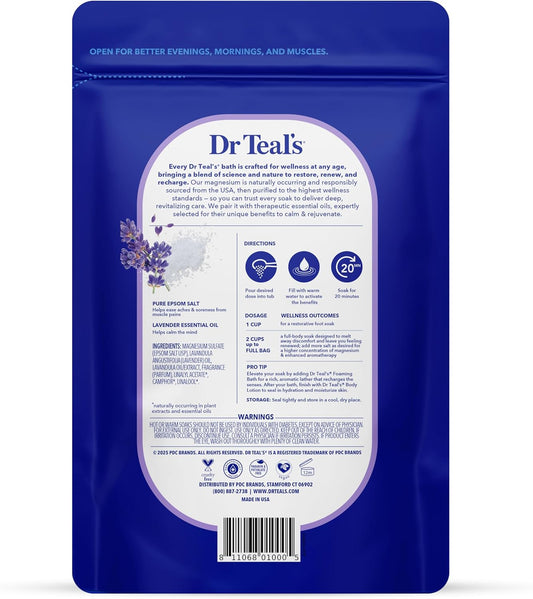
Dr Teals Lavender Epsom Salt Soak – 48 oz - Curated by Sleniq
Regular price £10.00 GBPRegular priceUnit price per£0.00 GBPSale price £10.00 GBP -
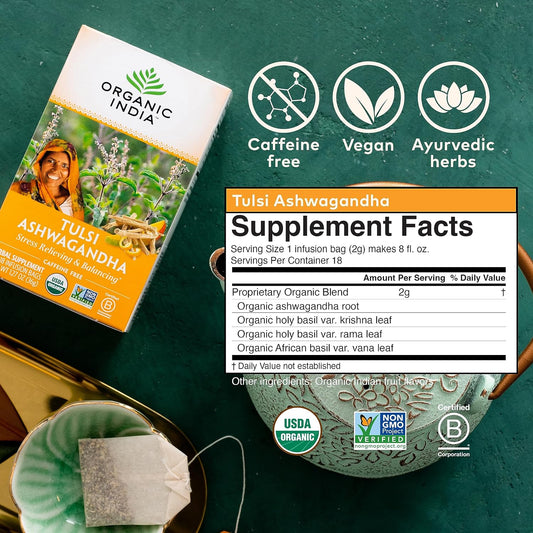
Sleniq Tulsi Ashwagandha Calming Tea, 3 Pack
Regular price £25.00 GBPRegular priceUnit price per£0.00 GBPSale price £25.00 GBP







Step 03 · Deep Sleep Enhancers
Deepen Sleep
The first two steps get you to sleep. This one is about the quality of the eight hours that follow, staying asleep, cycling properly, and waking up without needing three alarms.
- Support the systems that keep sleep uninterrupted, not just the ones that help you drift off.
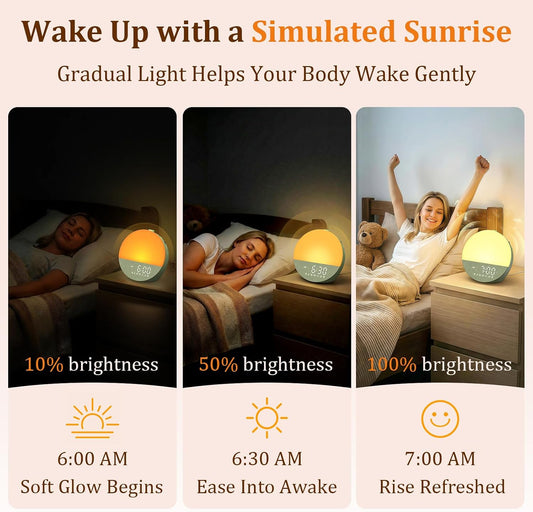
- Wake with light, not sound, a gradual signal is gentler on a body that's been asleep for hours.
- Track what's actually happening. You can't improve a ritual you can't measure.
Why it works
-
Sleniq Sunrise Alarm Clock – White Noise & Sound Machine
Regular price £44.00 GBPRegular priceUnit price per£0.00 GBPSale price £44.00 GBP -
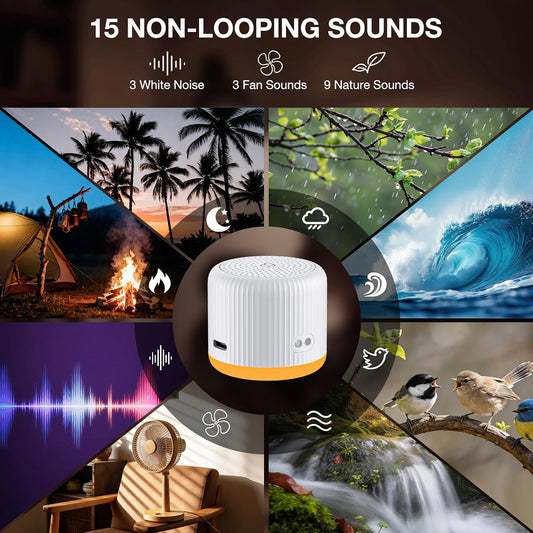
Sleniq Portable Sound Machine – Travel White Noise
Regular price £25.00 GBPRegular priceUnit price per£0.00 GBPSale price £25.00 GBP -
Sleniq Sunrise Alarm Clock with Sound Machine
Regular price £45.00 GBPRegular priceUnit price per£0.00 GBPSale price £45.00 GBP -
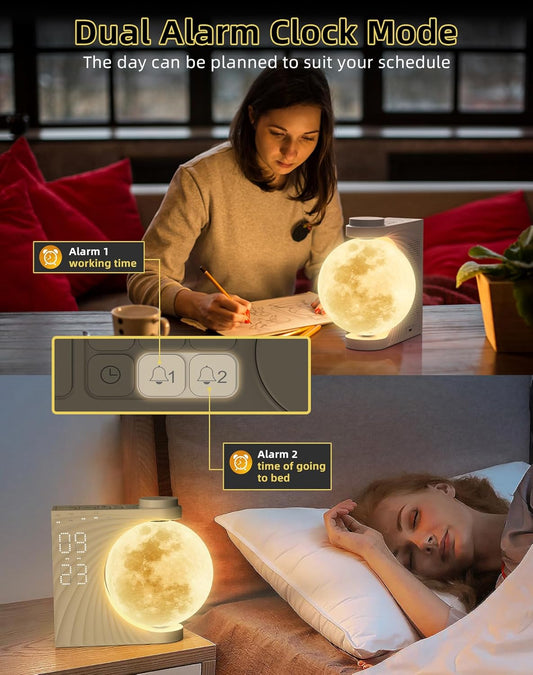
Sleniq Rotating Moon Lamp Sunrise Alarm Clock
Regular price £75.00 GBPRegular priceUnit price per£0.00 GBPSale price £75.00 GBP